

Buy New or Resale and Renovate? A South Placer Luxury Case Study
If you're shopping for a luxury home in South Placer, you'll probably reach this fork in the road: do you buy new construction, or buy a resale home and renovate it into exactly what you want? I have this conversation with buyers all the time, and sellers ask a version of it too, usually "Should I update before I list, or let the next owner do it?"
Neither path is automatically better. They trade different things: time, certainty, location, and how much of the home reflects your own taste. Below I lay out how I think through the decision, plus an illustrative side-by-side comparison you can use with your own numbers.
Why this question matters more in South Placer
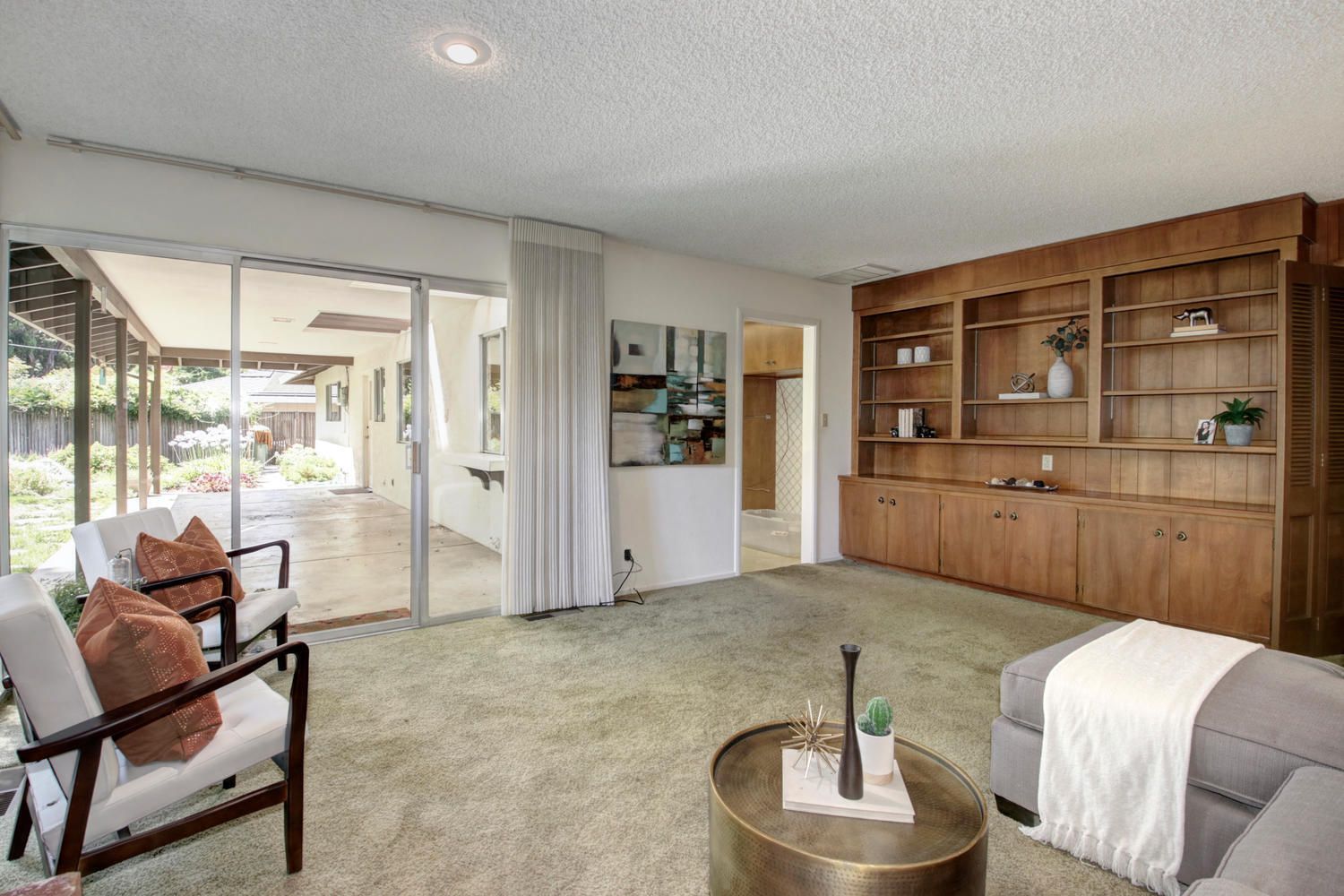
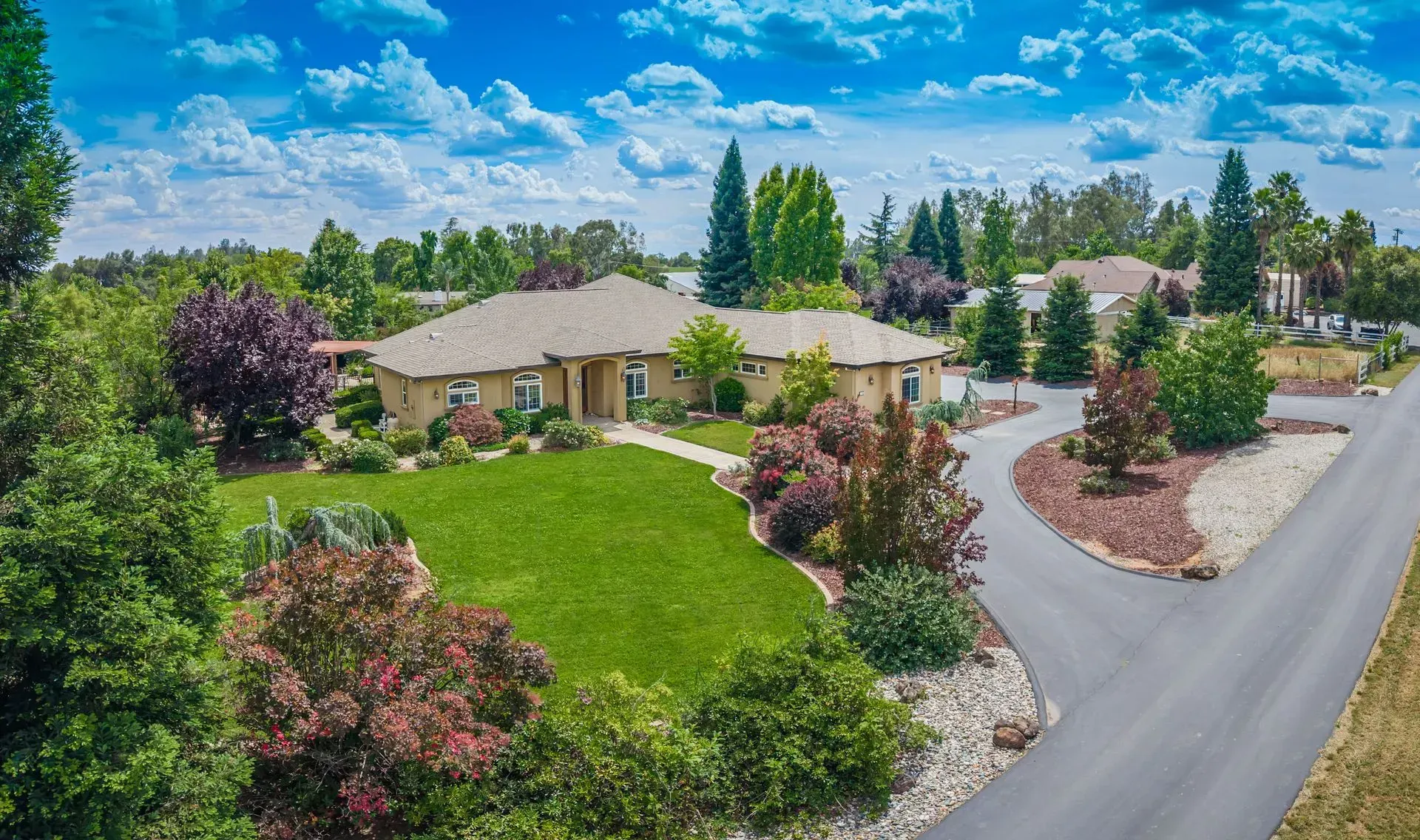
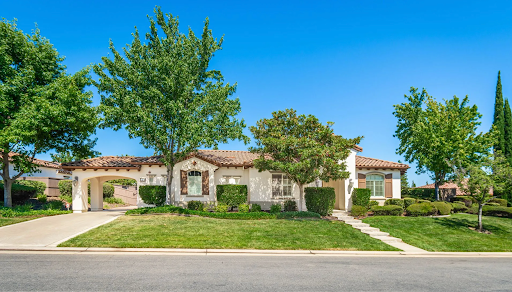
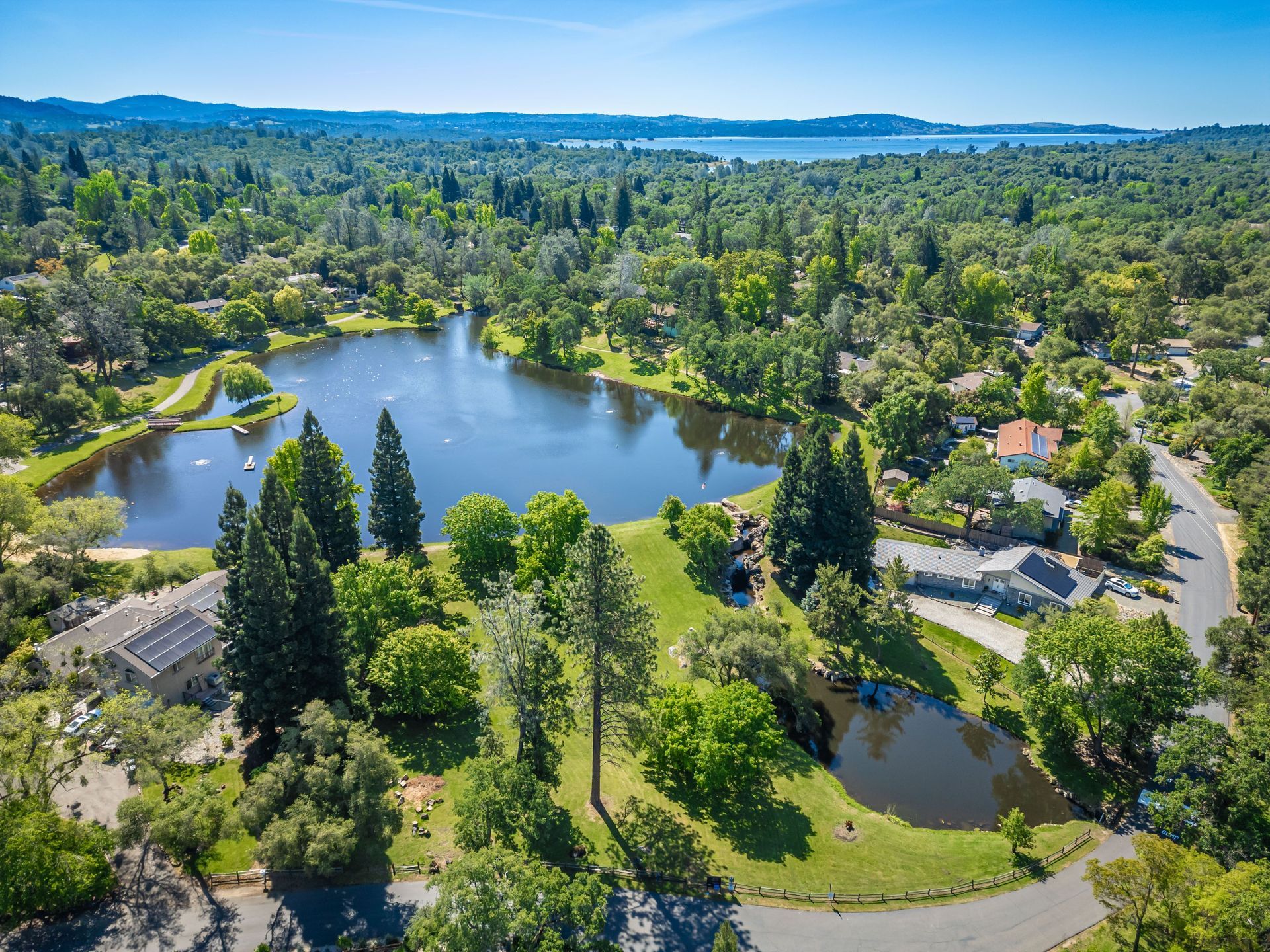
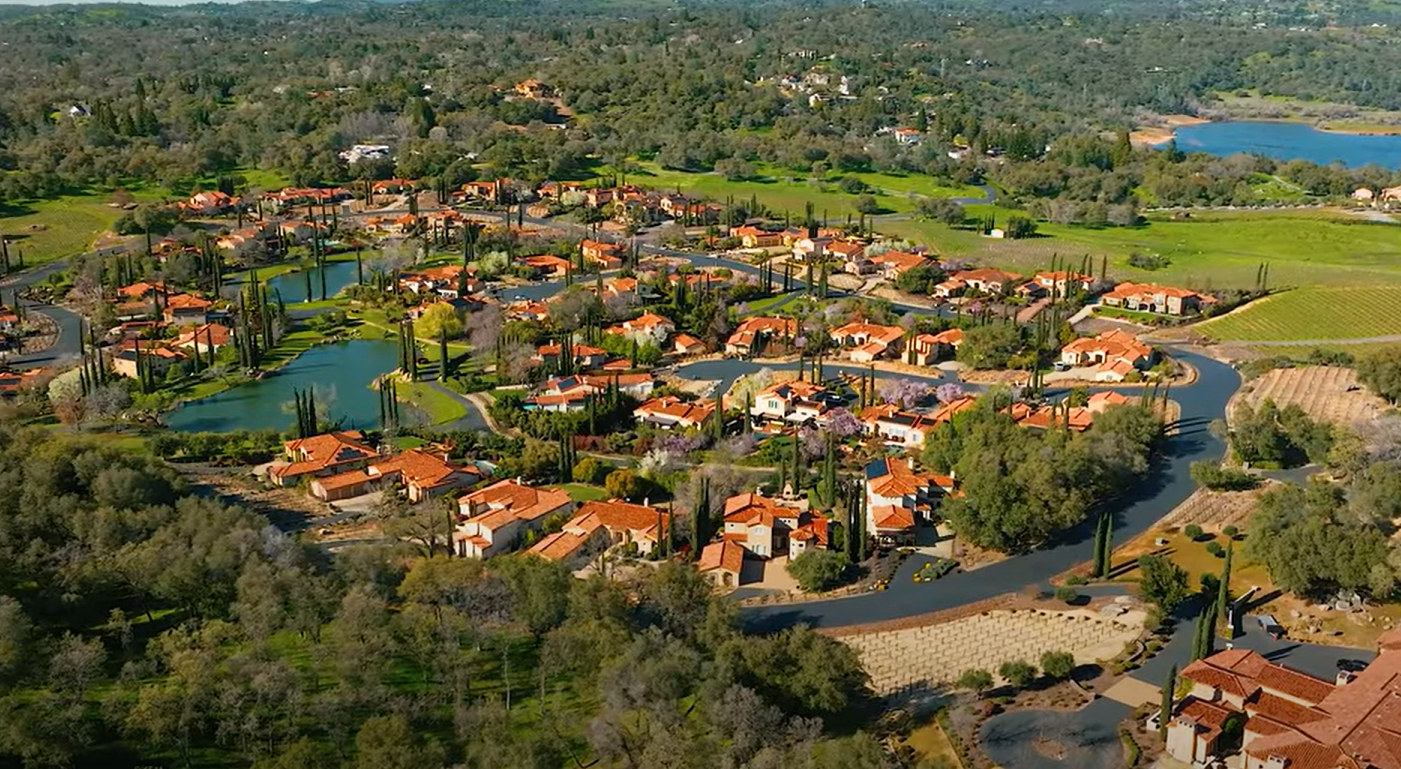
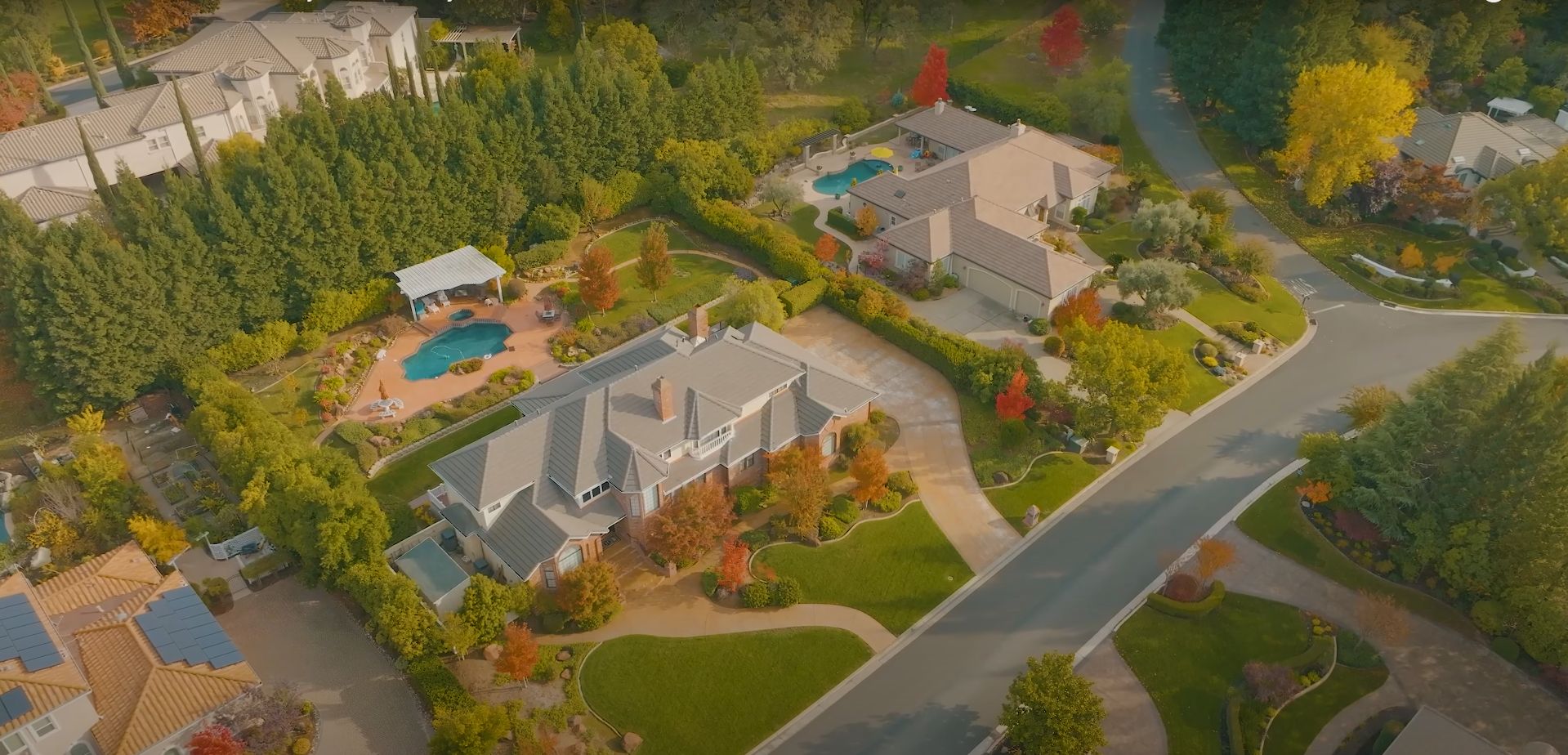
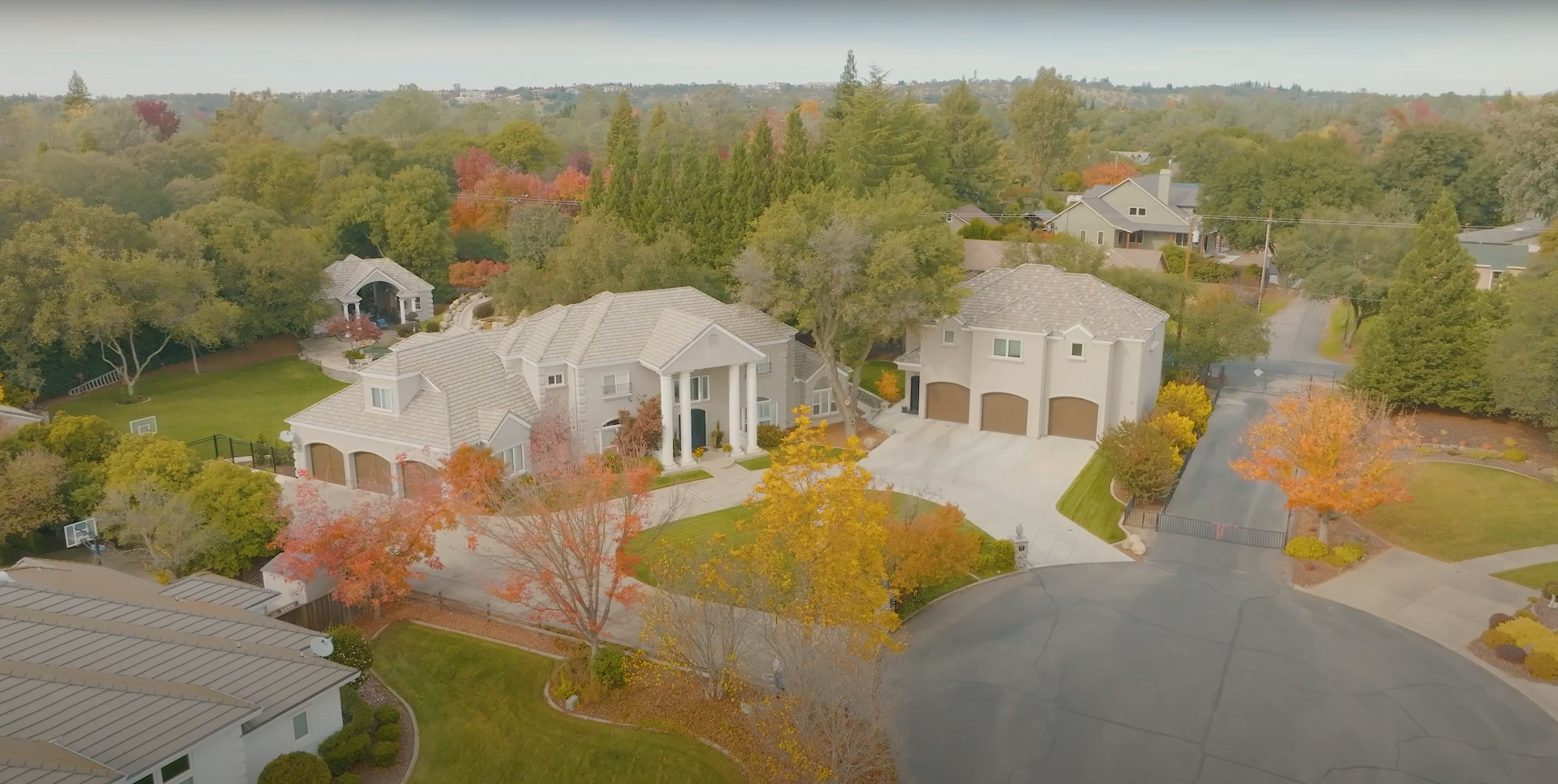
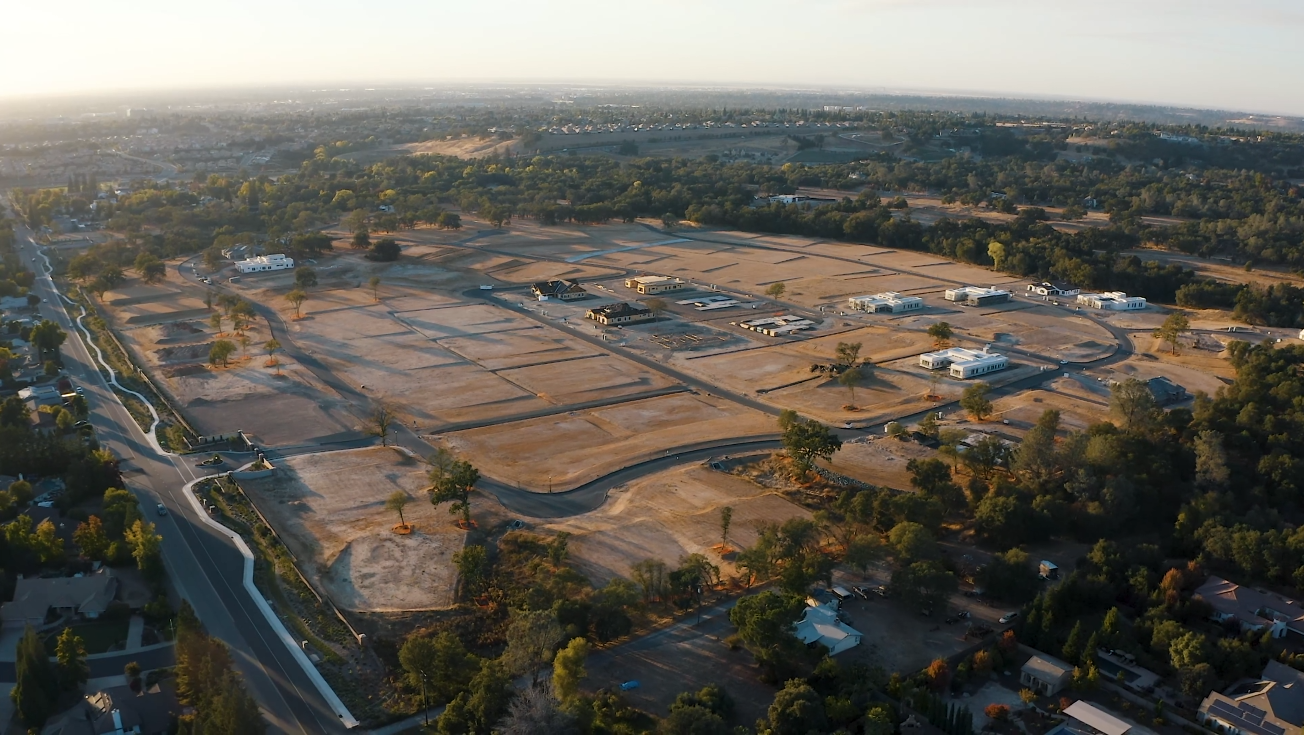
Granite Bay, Roseville, Rocklin, Lincoln, and Loomis offer very different housing stock within a short drive. Some areas have master-planned communities with newer homes and builder inventory. Others, especially Granite Bay and Loomis, are known for established neighborhoods, larger lots, mature landscaping, and homes that were built a while ago and may be ready for updating.
So the choice is often bigger than "new vs. old." It's really about which lifestyle and location you want, and whether that location comes with new homes at all.
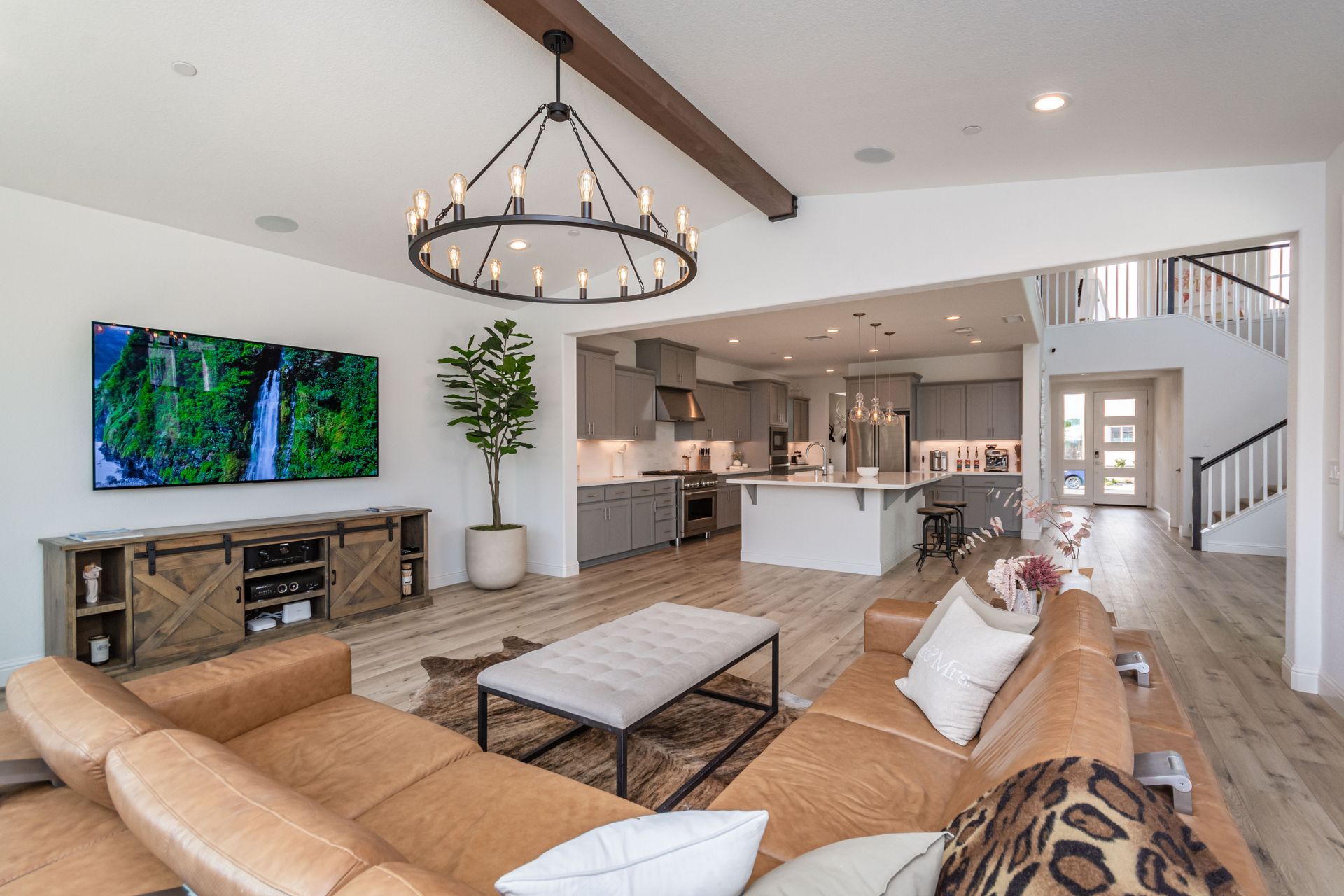
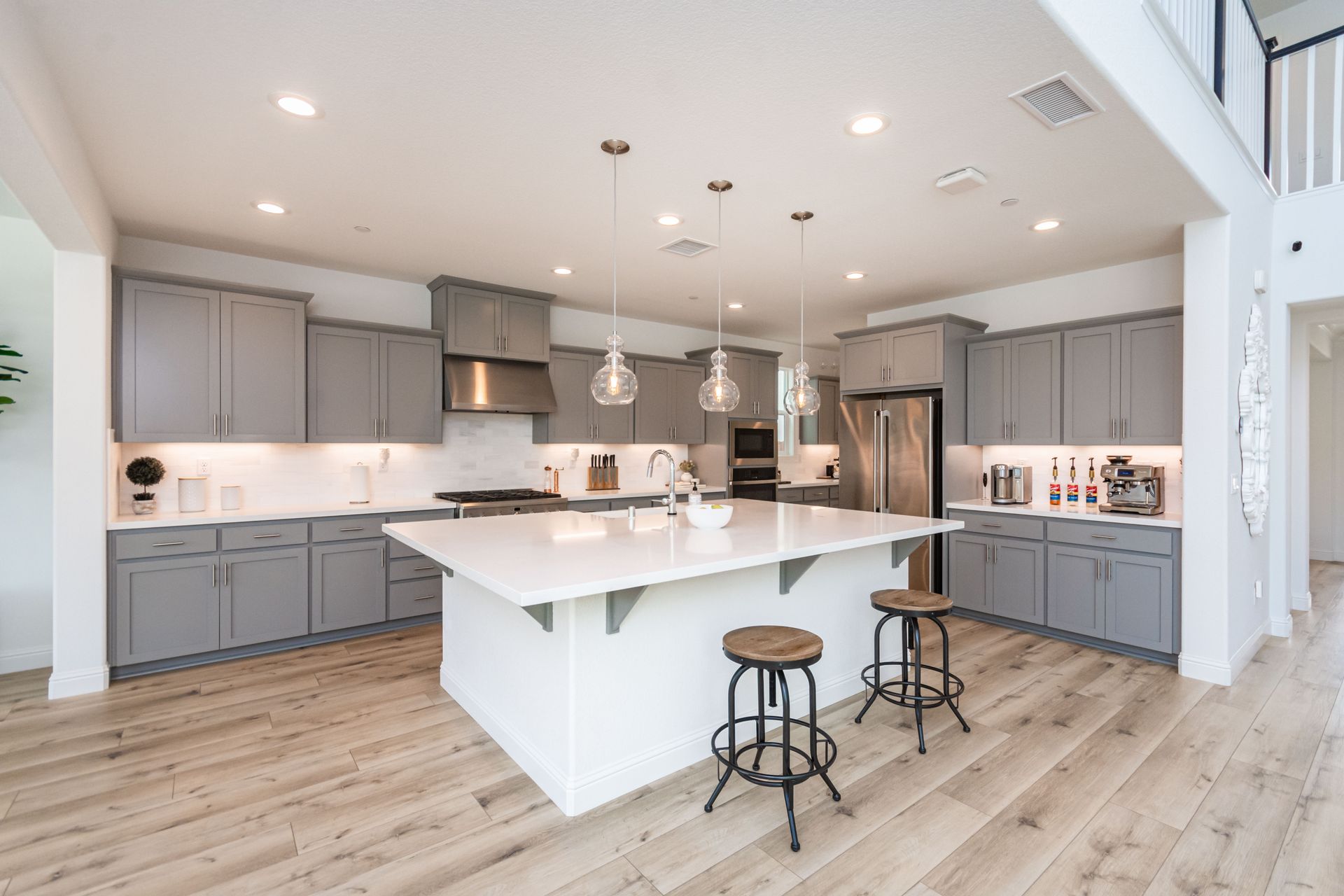
The case for buying new
- Move-in certainty. Modern systems, current energy codes, and builder warranties mean fewer surprises in the first few years.
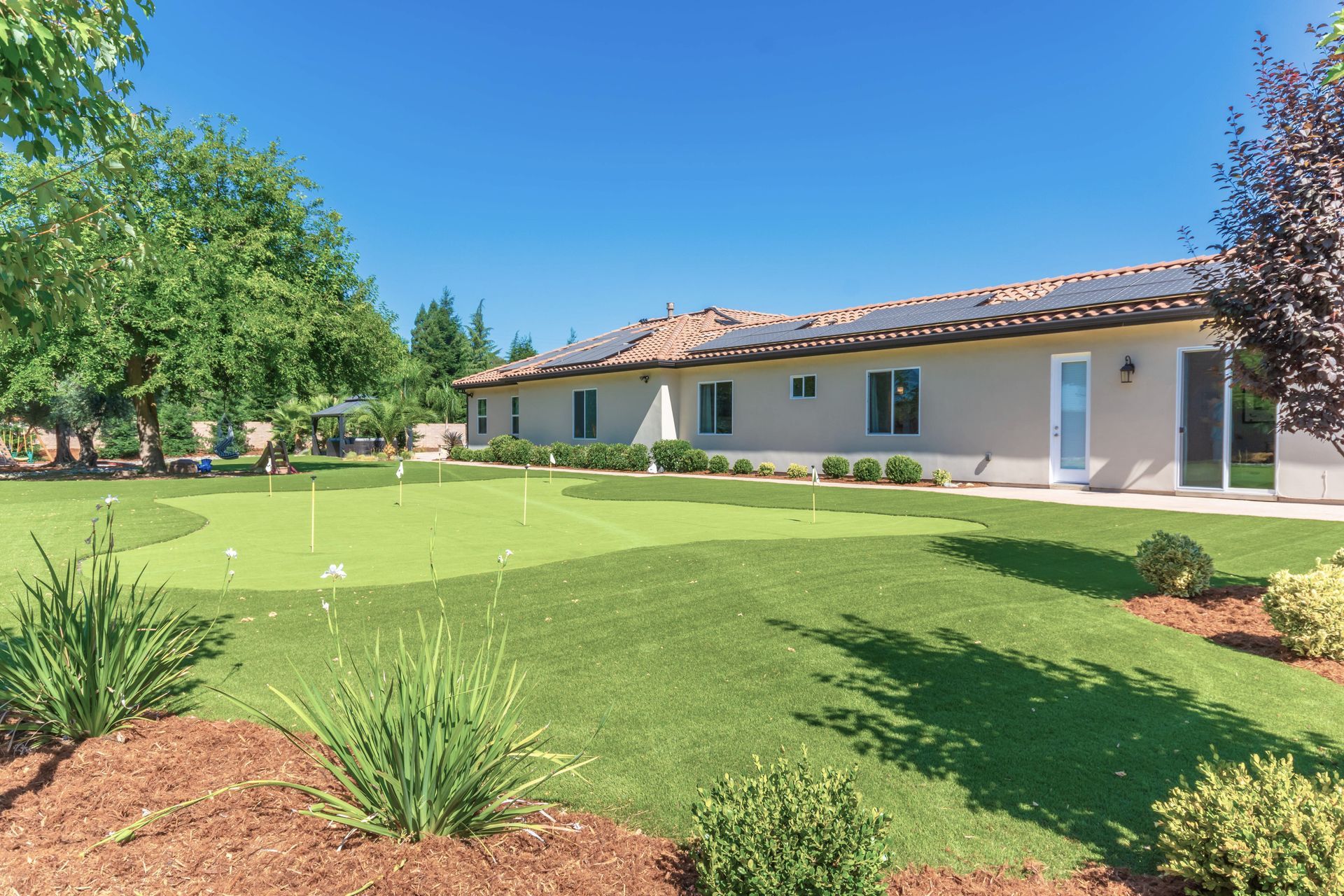
- Today's floor plans. Open great rooms, large kitchen islands, indoor-outdoor living, and dedicated office space are often built in.
- Personalization (within limits). If you buy early enough, you can choose finishes from the builder's design center.
Watch for: lot premiums and design-center upgrades that add up quickly, construction timelines that can shift, smaller lots or closer neighbors in some communities, young landscaping, and HOA dues or Mello-Roos/community facilities district (CFD) assessments common in newer California communities. Always review those costs before you write an offer.
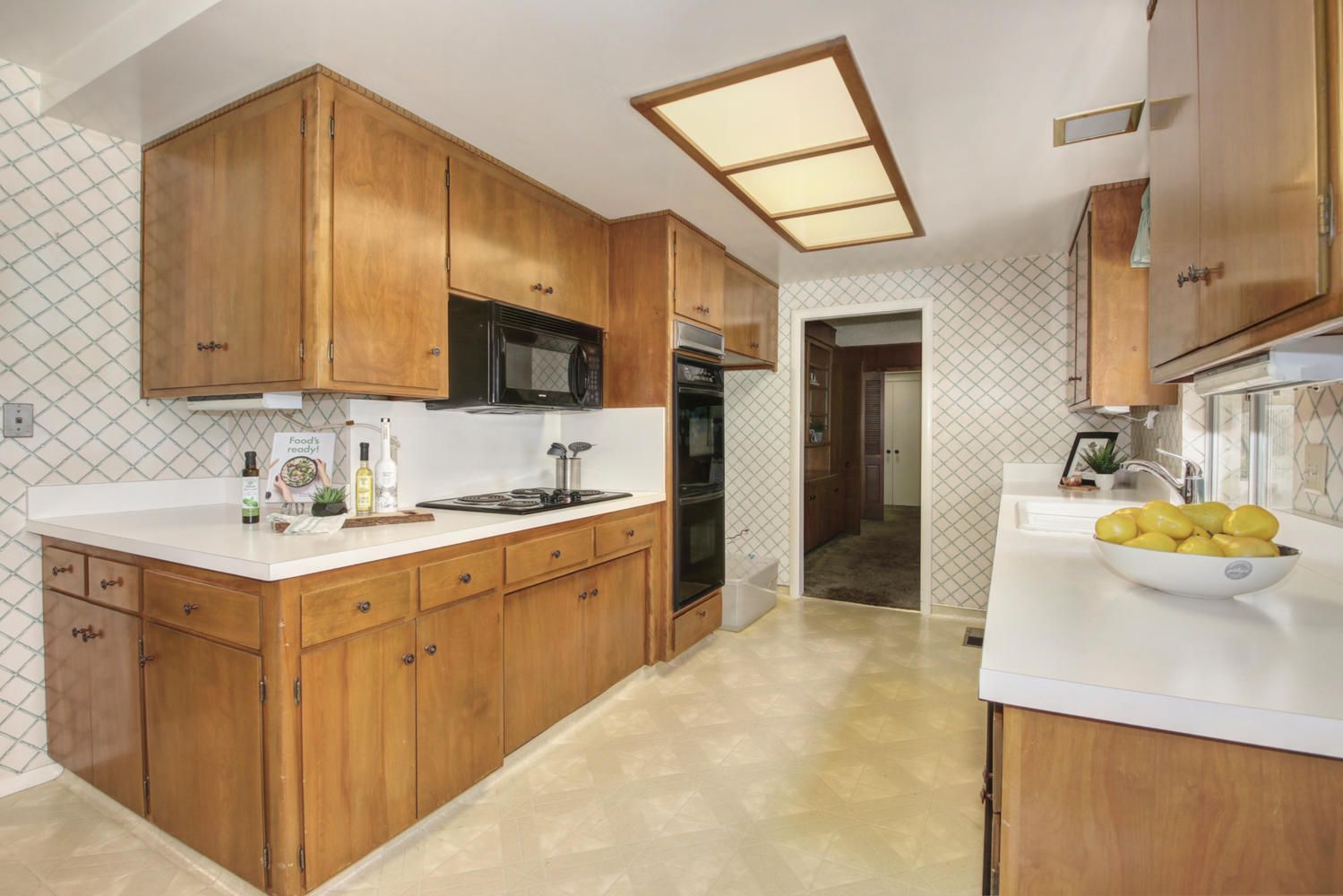
The case for resale and renovate
- Location and land. Resale opens up established neighborhoods, larger lots, mature trees, and settings that may never be offered as new construction.
- Your design, not a builder's package. You choose the layout changes, finishes, and priorities.
- Potential negotiating room. A home that needs updating may attract fewer competing buyers, depending on the micro-market.
Watch for: renovation budgets and timelines that grow once walls are opened, permitting and contractor availability, living elsewhere (or living with dust) during the work, and over-improving beyond what the neighborhood supports. Inspections, including roof, sewer line, and major systems, matter even more on this path.
Illustrative case study: two buyers, one budget
This is a hypothetical comparison for illustration only. It is not a real client or property. Bracketed figures are placeholders. Replace them with current local numbers before making any decision.
Imagine two luxury buyers with the same all-in budget of [$ total budget], both looking in South Placer.
| Buyer A: New construction | Buyer B: Resale + renovate | |
|---|---|---|
| Purchase price | [$ base price] | [$ resale price] |
| Upgrades / lot premium vs. renovation budget | [$ design-center upgrades + lot premium] | [$ renovation budget + contingency] |
| Timeline to "finished" home | [build or move-in timeline] | [escrow + design + permit + construction timeline] |
| Ongoing costs to compare | HOA [$/mo], CFD/Mello-Roos [$/yr] | HOA [$/mo, if any], deferred maintenance reserve [$] |
| Lot and setting | Newer community, [lot size] | Established neighborhood, [lot size] |
| Biggest risk | Upgrade creep, build delays | Budget overruns, hidden conditions |
How I'd coach Buyer A: Get the full upgrade price list early and decide on must-haves before you visit the design center. Ask what's included in the base price, how the builder handles delays, and what HOA and CFD costs look like over the long run.
How I'd coach Buyer B: Get contractor bids before or during escrow, not after closing. Build in a contingency. Focus renovation dollars where they matter most. Remodeling research consistently finds that the more complex a project, the lower its return at resale. Zonda's 2025 Cost vs. Value Report ranks a minor midrange kitchen remodel as the only interior project in its national top five, recouping an estimated 112.9% of its cost. Eight of the top ten projects were exterior replacements. Those are national averages, not a promise for any particular home, but the lesson holds: update smart, not just big.
What this means for sellers
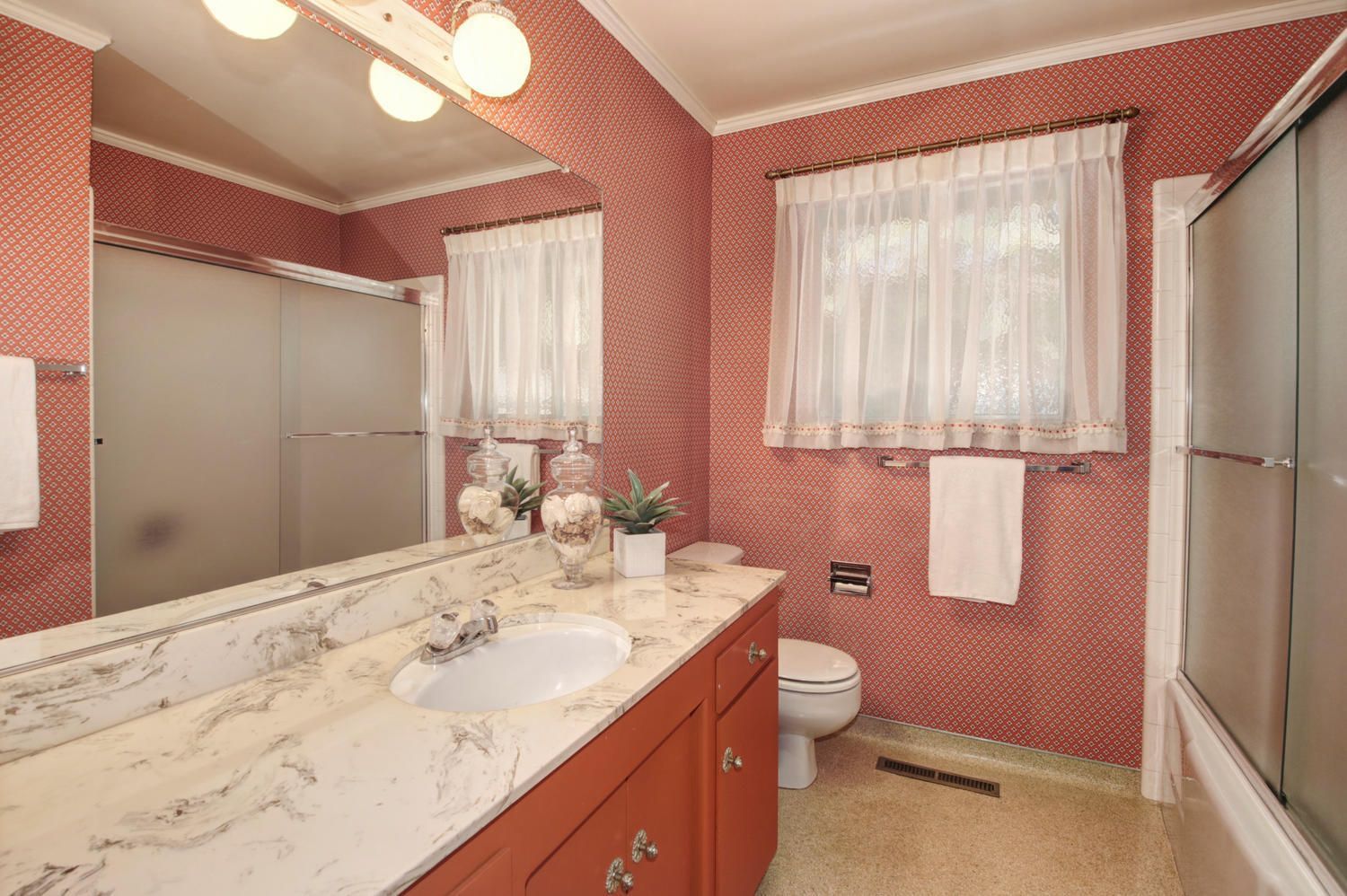
If you're selling an older luxury home, you're competing with both new construction and updated resales. You may not need a full remodel. Targeted, high-visibility updates and strong presentation often make more sense than a gut renovation. Before you spend, ask me for a comparison of how updated and un-updated homes in your neighborhood have recently sold.
Questions to ask before you decide
- How long do you plan to own the home, and how much does a turnkey move-in matter to you?
- Is the location you want even available as new construction?
- What's your real tolerance for a renovation timeline and budget surprises?
- What will the total monthly cost of ownership be, including HOA and any CFD assessments?
- If you renovate, what will the finished home be worth compared with nearby sales?
Let's run your numbers
Every buyer's answer is different. The best decision comes from looking at real, current comps in the exact neighborhoods you're considering. If you're weighing new construction against a resale-and-renovate plan in Granite Bay, Roseville, Rocklin, Lincoln, or Loomis, I'm happy to walk through both paths with you, side by side. Reach me at (916) 677-9813 or zac@quantumcalifornia.com.
Zac Bacon, Associate Broker | Quantum Real Estate | DRE #01385370